
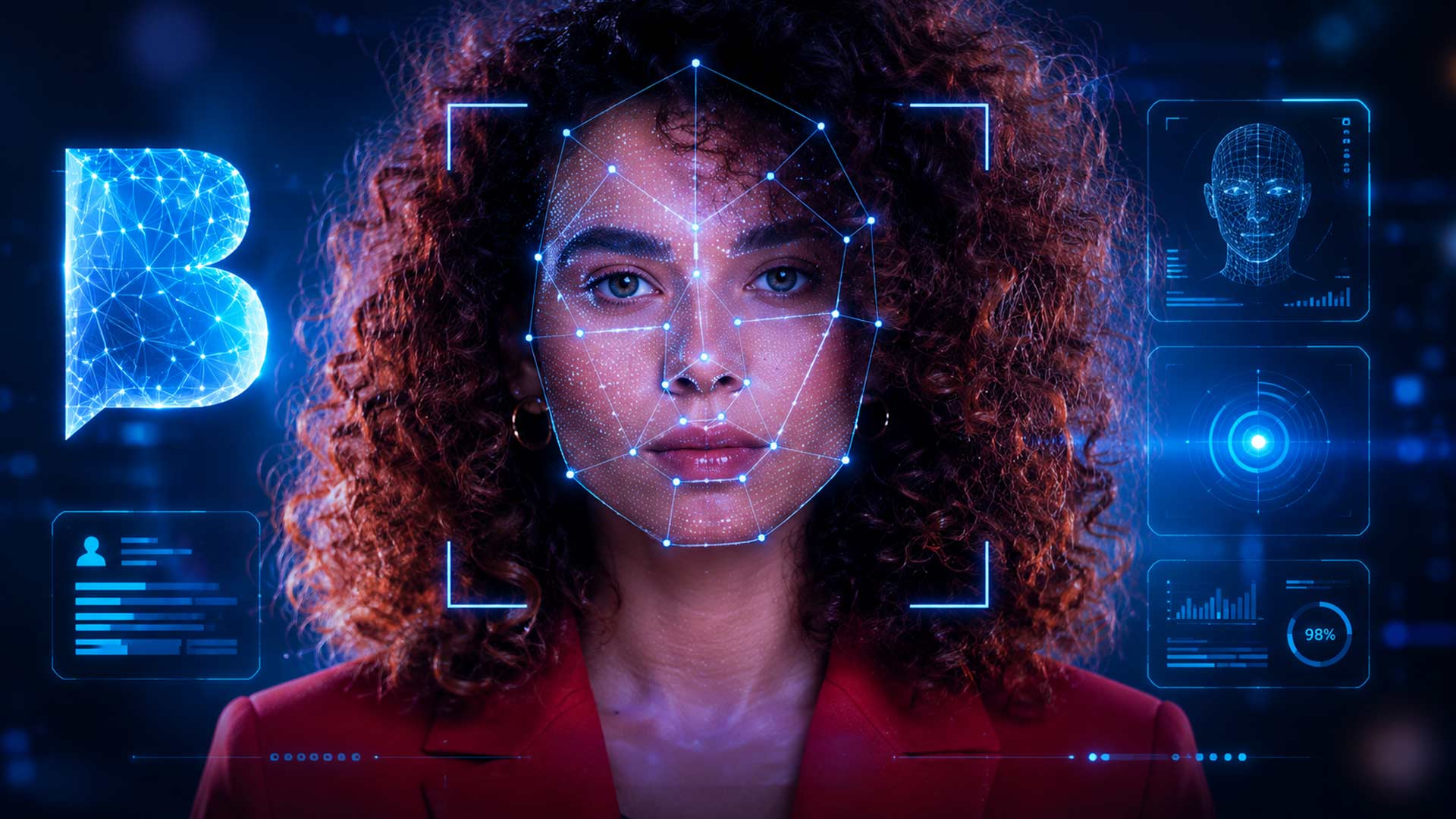
The entertainment industry has always evolved alongside technology. From black-and-white cinema to streaming platforms and social media influencers, every generation experiences celebrity culture differently. But in 2026, a new kind of celebrity is beginning to dominate digital platforms. These stars do not sleep, age, miss interviews, or take breaks. They can appear in multiple countries simultaneously, speak dozens of languages instantly, and post content continuously throughout the day. They are AI digital celebrities.
Virtual influencers and AI-generated personalities are becoming one of the most discussed trends in entertainment and social media. Some already have millions of followers across platforms like Instagram, TikTok, YouTube, and X. Although many audiences still prefer real human stars, the rise of digital celebrities is raising major questions about the future of fame, entertainment, marketing, and celebrity culture. Artificial intelligence is now becoming deeply connected to the way celebrities interact with fans and build their online identity.
AI digital celebrities are computer-generated personalities designed to behave like real public figures. These virtual stars can post on social media, appear in advertisements, give interviews, collaborate with brands, release music videos, and interact with audiences in multiple languages. Some digital celebrities are fully animated, while others look almost identical to real humans. Advanced AI systems control their voice, facial expressions, conversations, and online behavior. In many situations, audiences cannot immediately recognize whether a celebrity is real or AI-generated.
Several factors are driving the rapid growth of virtual celebrities. Modern social media operates nonstop, and audiences expect constant updates, short videos, livestreams, and online interaction. Human celebrities often struggle to maintain continuous engagement because of schedules, personal limitations, and public pressure. AI celebrities, however, can remain active twenty-four hours a day. They can automatically respond to comments, post trending content, adapt to audience interests, and participate in viral trends within seconds. This creates enormous engagement potential for entertainment companies and digital marketers.
Brands and entertainment studios also prefer virtual influencers because they provide complete creative control. Human celebrities may face controversies, scheduling conflicts, or reputation issues that can damage marketing campaigns. AI celebrities allow companies to carefully manage public image, content style, partnerships, and online behavior. Because of this, many businesses are investing heavily in digital personalities for advertising and social media promotion.
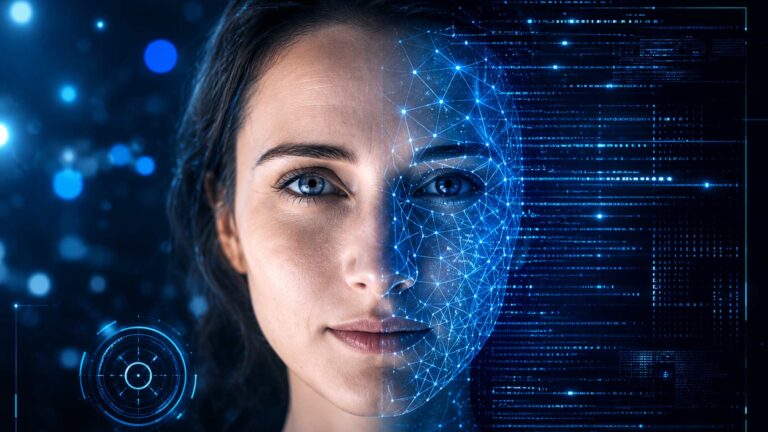
personalities online. She releases music videos, appears in fashion campaigns, hosts livestreams, and collaborates with movie studios around the world. Millions of fans follow her digital lifestyle daily. However, Ava is not human. She was created by an entertainment technology company using AI voice generation, motion capture technology, emotional AI systems, real-time language translation, and advanced visual rendering. Ava’s creators constantly analyze audience reactions and adjust her personality to maximize engagement. If audiences respond positively to humor, her content becomes funnier. If fans react emotionally to personal storytelling, her digital personality becomes more emotional and relatable.
Digital celebrities may eventually become major parts of film production as well. Studios could create fully AI-generated actors capable of starring in movies without physical filming. These digital performers could act in multiple films simultaneously, speak every language naturally, perform dangerous scenes safely, and remain visually unchanged forever. Production costs might decrease significantly because studios would not need large travel schedules, physical sets, or repeated reshoots.
AI technology is also making de-aging and digital cloning more realistic. In the future, studios may create licensed digital versions of celebrities that continue appearing in films even after retirement. This possibility creates major ethical debates about identity, creative ownership, and consent. Some audiences may appreciate seeing legendary stars recreated digitally, while others may feel uncomfortable with artificial performances replacing human emotion.
One surprising trend is that many fans form emotional connections with virtual personalities. Even when audiences know a celebrity is AI-generated, they may still feel admiration, emotional attachment, entertainment comfort, and a sense of community. Human psychology naturally responds to personality, storytelling, and interaction. If digital celebrities feel realistic and relatable, audiences may interact with them similarly to real influencers and entertainers.
Virtual influencers are already becoming increasingly common across social media platforms. Some AI-generated personalities have millions of followers and collaborate with global fashion, beauty, and technology brands. These influencers regularly post lifestyle content, travel photos, music videos, fashion campaigns, and entertainment updates. Many audiences engage with them exactly like they would with human celebrities. Brands especially value virtual influencers because they offer no scheduling conflicts, full creative control, instant content generation, and multilingual marketing opportunities.
Despite their popularity, AI celebrities also create serious concerns. Critics argue that digital personalities lack genuine human experience and emotional authenticity. Some audiences may eventually become tired of overly optimized AI personalities that feel artificial or repetitive. Actors, influencers, models, and voice artists may also worry about losing opportunities to AI-generated competitors.
There are also major ethical concerns surrounding AI celebrities. Issues such as deepfake misuse, identity rights, emotional manipulation, and digital cloning are becoming increasingly important. Governments and entertainment companies may eventually need stronger regulations to prevent misuse of AI-generated identities and protect audiences from deception.
Rather than completely replacing human stars, AI celebrities may ultimately coexist alongside traditional entertainers. Human celebrities still provide real-life experiences, authentic emotions, personal struggles, unpredictability, and emotional relatability that audiences deeply value. These qualities remain difficult for artificial intelligence to fully replicate. Many people still prefer authenticity over perfection.
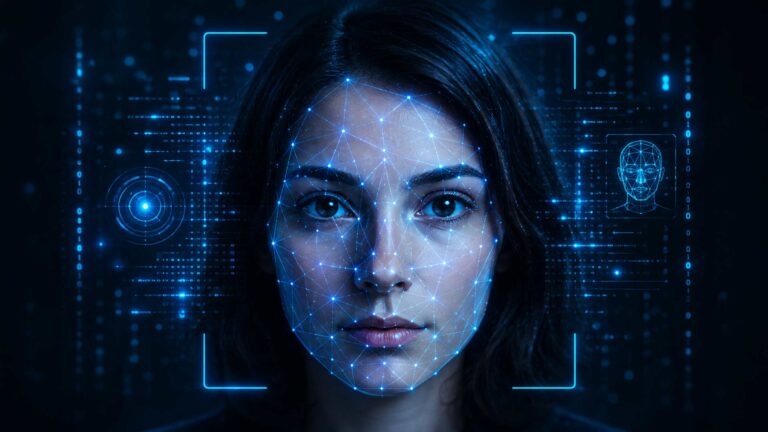
AI technology may also help real celebrities instead of replacing them. Many entertainers already use AI systems for content scheduling, language translation, video editing, digital avatars, and fan interaction. These tools can help artists connect with global audiences more efficiently while saving time in content production.
Celebrity culture itself may evolve significantly over the next decade. Future audiences may follow human stars, AI influencers, virtual musicians, holographic performers, and interactive digital personalities simultaneously. Entertainment could become increasingly personalized and digitally immersive. Fans may eventually interact with celebrities inside virtual reality environments or AI-powered digital worlds.
Even as technology advances, successful celebrities will still depend heavily on storytelling and emotional connection. Audiences naturally connect with personal journeys, challenges, achievements, humor, inspiration, and emotional experiences. Whether a celebrity is human or digital, storytelling remains one of the most powerful elements of entertainment.
AI digital celebrities are becoming one of the most fascinating entertainment trends in 2026. Virtual influencers, AI-generated actors, and digital personalities are changing how audiences experience fame, marketing, and online entertainment. Although these technologies offer exciting possibilities, they also raise important questions about authenticity, ethics, creativity, and the future of celebrity culture. Human entertainers still provide emotional depth and genuine life experiences that audiences deeply value. The future of entertainment may not involve humans competing against AI, but instead a combination of both. As technology continues evolving, digital celebrities could become permanent parts of movies, music, social media, and global entertainment culture.