
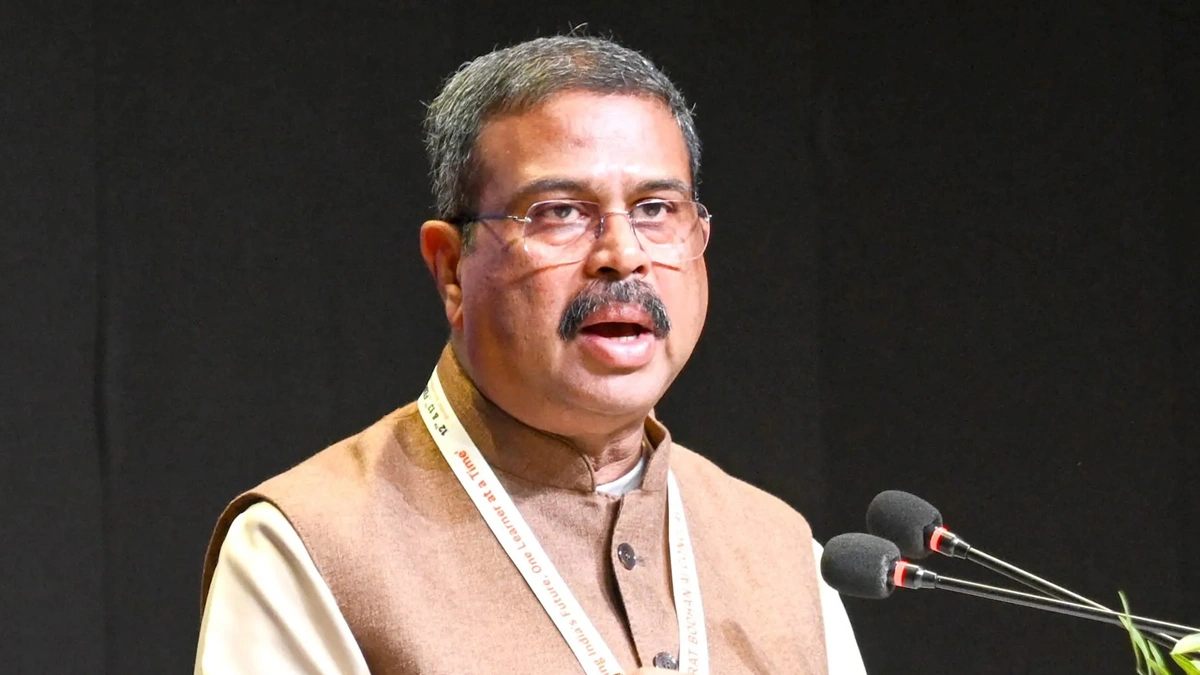
In one of the most significant political developments for the Narendra Modi government this year, Union Education Minister Dharmendra Pradhan resigned on Saturday after weeks of nationwide protests linked to alleged examination irregularities and growing public anger over India’s competitive testing system. The resignation marks a major turning point in a crisis that has dominated national headlines and sparked widespread debate over educational reforms.
Pradhan submitted his resignation to Prime Minister Narendra Modi, stating that his decision was taken in the larger interest of students and to prevent the ongoing controversy from affecting the country’s education system further. The announcement came just hours before another round of discussions between government representatives and protest leaders, underscoring the seriousness of the political situation.
The protests, led primarily by student groups and youth organizations, intensified over allegations surrounding examination paper leaks and irregularities in national entrance examinations. Demonstrations spread across several Indian cities, with thousands of students demanding accountability, transparency, and comprehensive reforms to the country’s examination process. Protesters also called for greater institutional oversight to restore public confidence in competitive examinations.
In his resignation statement, Pradhan said he had accepted moral responsibility for the situation despite defending the measures taken by his ministry during the crisis. He maintained that protecting students’ interests remained his highest priority and expressed hope that his decision would help reduce tensions and facilitate meaningful reforms.
The resignation has generated strong political reactions across India. Opposition parties described the move as a response to sustained public pressure, while leaders from the ruling Bharatiya Janata Party (BJP) praised Pradhan for taking responsibility during a difficult period. Political analysts believe the development could have significant implications for the Modi government’s education agenda and future policy decisions.
Education experts say the crisis has exposed deeper structural challenges within India’s examination framework. Calls are growing for stronger safeguards against paper leaks, improved digital security, independent monitoring mechanisms, and faster legal action against those involved in examination malpractice. Many believe the government will now face increased pressure to implement comprehensive reforms that restore credibility to one of the world’s largest education systems.
The Union Government is expected to announce interim arrangements for the Education Ministry while consultations continue on long term reforms. Students’ organizations have indicated that although the minister’s resignation represents an important milestone, demonstrations may continue until broader demands for accountability and systemic reform are addressed.
Why This Matters
India conducts some of the world’s largest competitive examinations, with millions of students participating each year. Any disruption or controversy surrounding these examinations carries significant social, political, and economic consequences. Dharmendra Pradhan’s resignation is therefore being viewed not only as a major political development but also as a defining moment in the ongoing debate over transparency, accountability, and reform in India’s education system.