
Karnataka's New Excise Formula Brings Down Beer Prices, Signals Shift in Liquor Taxation,.
Beer consumers in Karnataka are beginning to notice a welcome change at retail counters after the state introduced a revised excise taxation model that links duty to the alcohol content of beverages instead of relying primarily on product pricing. The policy marks a significant change in how liquor is taxed in the state and has already resulted in noticeable price reductions across several beer brands. Unlike the previous system, where taxes were closely connected to the maximum retail price of a product, the updated framework calculates excise duty based on the quantity of alcohol present in each beverage. As beer generally contains a lower alcohol percentage than many spirits, it has become one of the biggest beneficiaries of the revised structure.
Retailers across Karnataka have reported growing customer interest since the revised prices came into effect. Consumers who regularly purchase beer are finding that several popular brands are now available at lower prices than before, making the category more competitive within the state’s liquor market. Industry observers believe this could influence purchasing patterns over the coming months, particularly during the peak summer and festival seasons. The new taxation approach also changes the way manufacturers position their products. Instead of focusing primarily on pricing strategies to remain competitive, companies are now expected to pay closer attention to alcohol strength when developing and marketing their beverages. Analysts say this could encourage producers to diversify their portfolios while adapting to the state’s evolving tax framework.
While beer has benefited from the revised policy, the impact has not been uniform across all alcoholic beverages. Products with higher alcohol concentrations may experience increased tax liability under the new formula, potentially resulting in price revisions for certain liquor categories. This differentiation is considered one of the defining features of Karnataka’s latest excise reforms. Officials view the policy as an effort to create a more structured taxation model by directly linking excise collections to alcohol content. Supporters argue that such a system provides greater consistency and transparency compared to value based taxation, while also offering consumers clearer pricing differences between low and high alcohol beverages.
Beer Price List in Karnataka 2026: Old- New Price
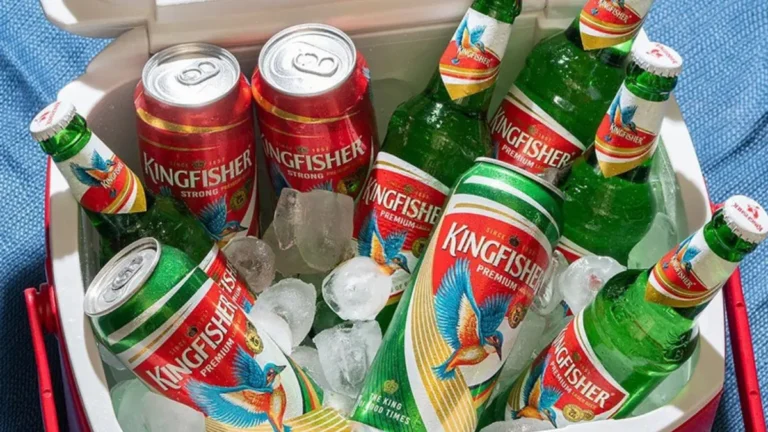
Kingfisher Premium (330 ml)
Old Price: ₹80
New Price: ₹60
Kingfisher Premium (500 ml Can)
Old Price: ₹100
New Price: ₹80
Kingfisher Strong (330 ml)
Old Price: ₹120
New Price: ₹100
Kingfisher Strong (650 ml)
Old Price: ₹180
New Price: ₹145
Budweiser Premium (330 ml)
Old Price: ₹140
New Price: ₹120
Budweiser Premium (650 ml)
Old Price: ₹230
New Price: ₹185
Budweiser Magnum (650 ml)
Old Price: ₹250
New Price: ₹200
Tuborg Green (650 ml)
Old Price: ₹180
New Price: ₹145
Carlsberg Elephant (650 ml)
Old Price: ₹180
New Price: ₹145
Haywards 5000 (650 ml)
Old Price: ₹180
New Price: ₹145
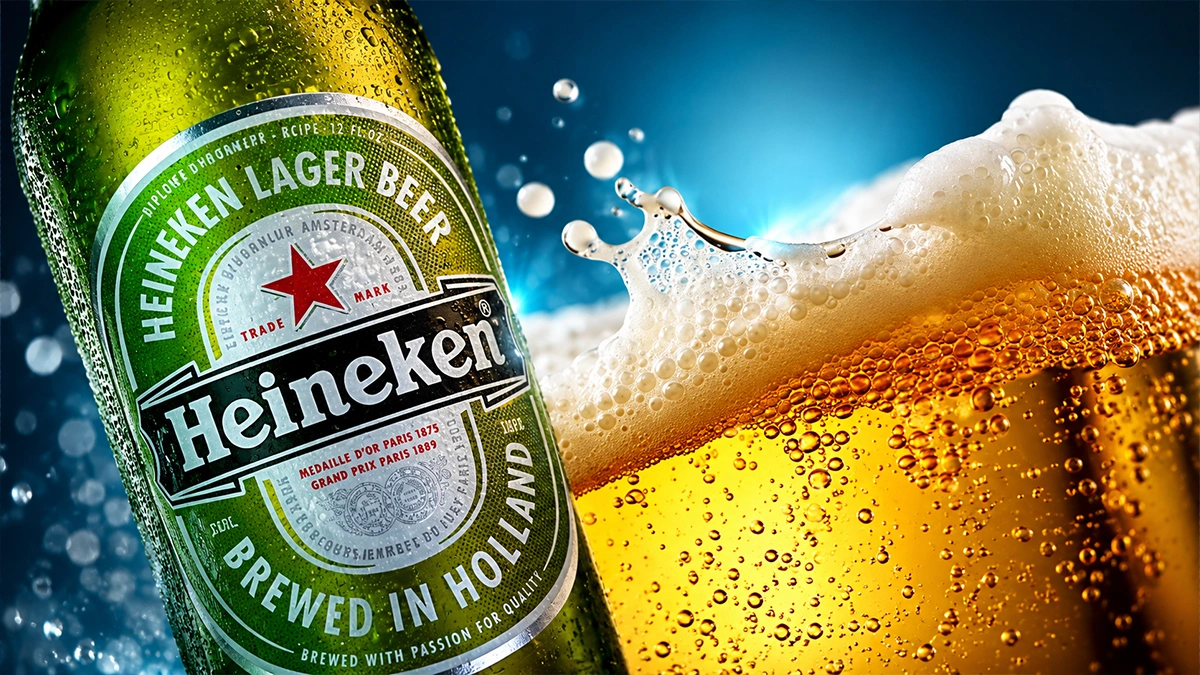
Heineken (650 ml)
Old Price: ₹320
New Price: ₹280
Corona Extra (330 ml)
Old Price: ₹260
New Price: ₹235
Hoegaarden (330 ml)
Old Price: ₹320
New Price: ₹290
The reform has also attracted attention from the alcoholic beverage industry. Manufacturers and distributors are closely monitoring consumer response as the market adjusts to the revised pricing landscape. Increased beer sales following the price reductions could provide valuable insights into how taxation influences purchasing behaviour and overall demand. Beyond Karnataka, the development is being watched by policymakers and industry stakeholders across India. If the revised framework proves successful in balancing revenue generation with market stability, similar taxation models could be considered by other states evaluating reforms to their own excise systems.
For now, Karnataka’s decision represents more than a simple price adjustment. It introduces a different philosophy for taxing alcoholic beverages one that places greater emphasis on alcohol content than product value. As the market continues to respond, the state’s experiment with this revised excise model is likely to remain an important topic within India’s beverage industry and public policy discussions.