
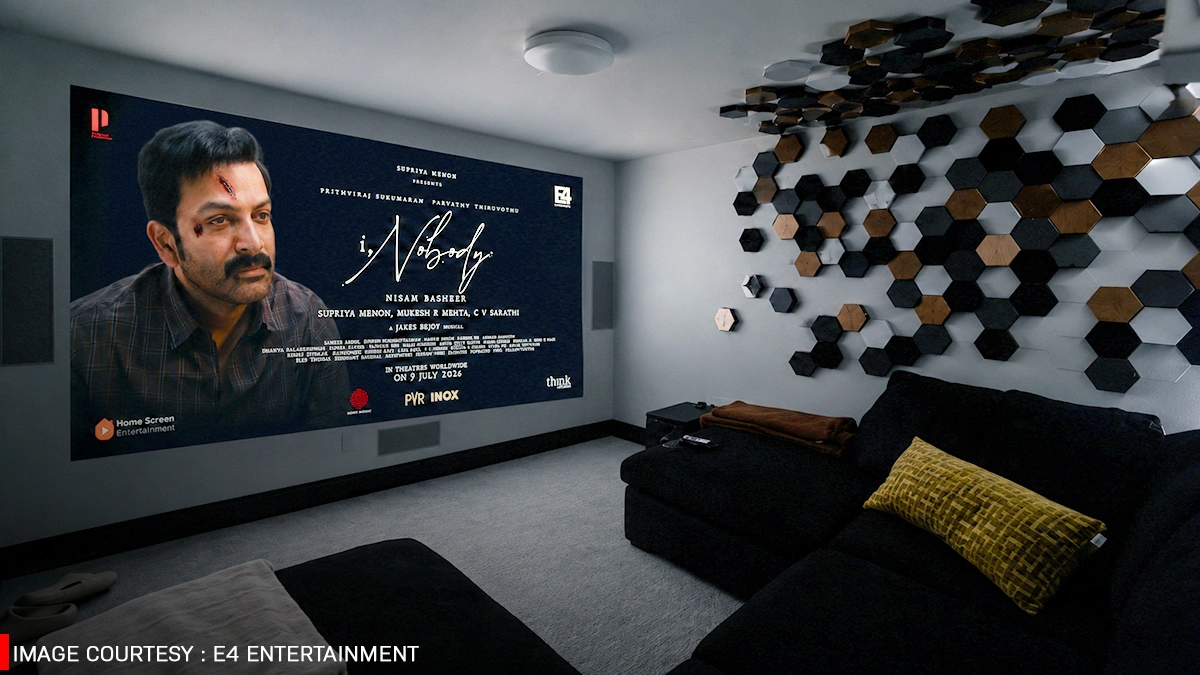
The entertainment industry has undergone significant changes over the past decade, and one of the biggest transformations has been the rise of OTT platforms. What started as an alternative way to watch movies and television shows has now become a preferred entertainment choice for millions of viewers around the world. Today, streaming services have become a part of everyday life. Whether it is a blockbuster movie, a trending web series, a documentary, or a live event, audiences can access content with just a few clicks. This convenience has fundamentally changed how people consume entertainment and has created new opportunities for both viewers and content creators.
One of the primary reasons behind the popularity of OTT platforms is convenience. Traditional television schedules require viewers to watch programs at specific times, while streaming services allow people to watch content whenever they want. This flexibility fits perfectly into modern lifestyles where work, education, and personal commitments often leave little room for fixed viewing schedules. Another factor driving OTT growth is the wide variety of content available on these platforms. Viewers can choose from thousands of movies, television series, documentaries, reality shows, and original productions across multiple genres. This diversity ensures that audiences can always find something that matches their interests and preferences.
The rise of mobile technology has further accelerated the popularity of streaming services. People no longer need a television to enjoy their favorite content. Smartphones, tablets, laptops, and smart TVs provide easy access to entertainment from virtually anywhere. Whether traveling, commuting, or relaxing at home, viewers can continue watching their favorite shows without interruption. OTT platforms have also made content more accessible across language barriers. Many services offer subtitles and dubbed versions, allowing viewers to explore films and series from different countries and cultures. As a result, audiences are discovering new stories and performers that they may never have encountered through traditional media channels.
Original programming has become another major attraction. Streaming services invest heavily in creating exclusive content designed specifically for their subscribers. These original productions often generate significant buzz and attract large audiences, helping platforms differentiate themselves in an increasingly competitive market. The success of original content has encouraged filmmakers and creators to experiment with new storytelling approaches. Unlike traditional formats that may be limited by broadcast schedules or runtime restrictions, streaming platforms provide greater creative freedom. This has led to the development of unique stories that appeal to diverse audiences.
Viewer behavior has also evolved. Modern audiences increasingly prefer on demand entertainment rather than waiting for scheduled broadcasts. The ability to pause, rewind, fast forward, and binge watch entire seasons gives viewers greater control over their entertainment experience. This level of flexibility is one of the strongest advantages OTT platforms offer. The entertainment industry itself has adapted to this shift. Production companies, actors, directors, and writers now consider streaming platforms an important part of their content strategy. Many projects are developed specifically for digital audiences, reflecting the growing influence of OTT services in the industry.
The impact of OTT platforms extends beyond movies and television shows. Educational content, live events, sports coverage, podcasts, and documentaries have also found large audiences through digital streaming. This variety broadens the appeal of these platforms and attracts users with different interests. The COVID 19 pandemic further accelerated the adoption of streaming services. During periods when cinemas and public venues faced restrictions, many viewers turned to digital platforms for entertainment. This shift introduced millions of new users to streaming services, many of whom continued using them even after restrictions were lifted.
However, the rise of OTT platforms does not necessarily mean the end of traditional entertainment formats. Cinemas, television networks, and live events continue to attract audiences. Instead, many industry experts believe that digital streaming and traditional formats will coexist, each serving different viewer needs and preferences. Competition among streaming services has also led to improvements in quality and user experience. Platforms continually invest in technology, content libraries, recommendation systems, and personalized viewing experiences. These improvements benefit consumers by providing better entertainment options and greater value.
Looking ahead, the influence of OTT platforms is expected to grow even further. Advances in internet connectivity, smart devices, and content production will continue to make streaming services more accessible and appealing. As technology evolves, viewers will likely enjoy even more immersive and personalized entertainment experiences. The growing popularity of OTT platforms reflects a broader shift in how people engage with media. Convenience, flexibility, content diversity, and accessibility have made streaming services a central part of modern entertainment consumption. While traditional viewing methods remain important, digital platforms are increasingly becoming the preferred choice for audiences seeking control over what they watch and when they watch it.
As the entertainment landscape continues to evolve, OTT platforms will play a major role in shaping the future of storytelling, content distribution, and audience engagement. Their ability to adapt to changing viewer expectations ensures that they will remain a powerful force in the industry for years to come.