
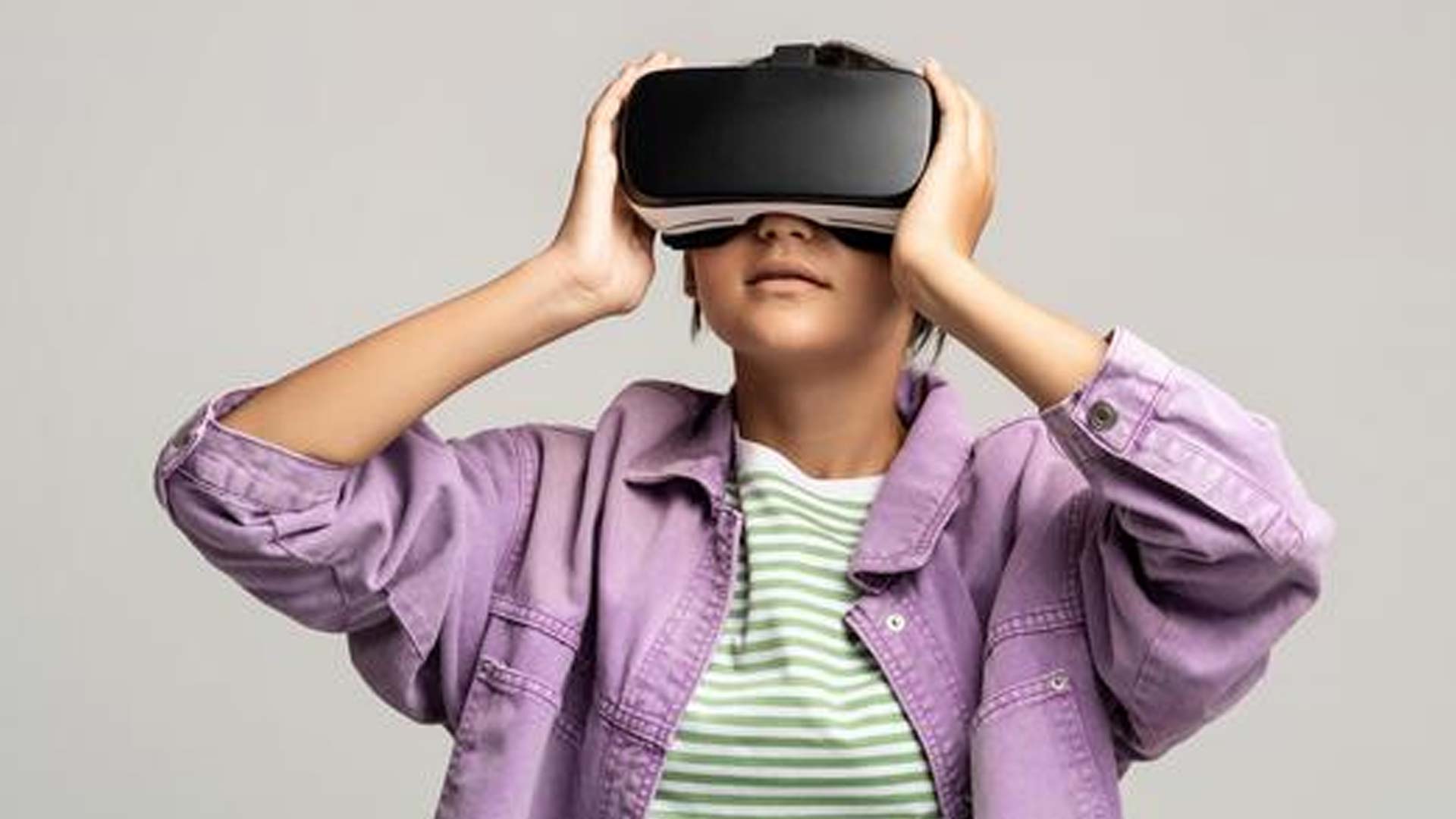
Entertainment has evolved dramatically over the last two decades. From traditional television and movie theaters to streaming platforms and short-form video apps, audiences now consume content in ways that once seemed impossible.
But by 2032, experts believe another massive transformation could reshape the entire entertainment industry. This future concept is known as Virtual Cinema.
Virtual Cinema combines artificial intelligence, immersive reality technology, advanced holographic projection, and personalized storytelling into a completely new viewing experience. Instead of simply watching movies on screens, audiences may soon step inside stories and interact with entertainment worlds in real time.
Although the technology is still developing, many entertainment companies and technology firms are already investing heavily in immersive experiences. Some believe the future of cinema may become more interactive, emotional, and personalized than ever before.
This article explores a possible future scenario of how virtual cinema could transform movies, streaming, storytelling, and audience experiences by the year 2032.
What Is Virtual Cinema?
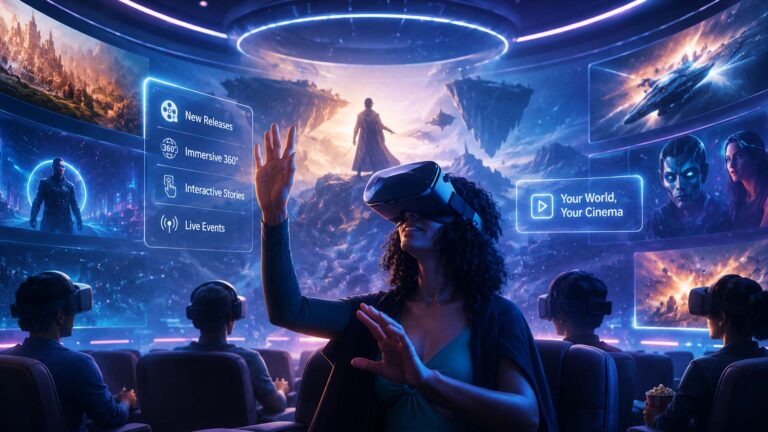
Virtual Cinema is a futuristic entertainment system where audiences experience movies and shows inside immersive digital environments.
Instead of sitting in front of a flat screen, viewers may enter a virtual world using lightweight wearable devices, holographic rooms, or AI-powered projection systems.
In this future system, entertainment becomes more than passive watching.
Viewers could:
- Walk through movie scenes
- Interact with characters
- Choose story directions
- Experience 360-degree environments
- Feel environmental effects like rain, sound, and motion
- Watch personalized story versions
This technology would combine:
- Artificial Intelligence
- Virtual Reality
- Augmented Reality
- Motion Tracking
- Spatial Audio
- Holographic Display Systems
The goal is to create entertainment experiences that feel emotionally real.
A Future Evening in 2032
Imagine a normal evening in 2032.
A family enters their living room after dinner. Instead of opening a streaming app on television, they activate a virtual cinema system built into their home.
The room changes instantly.
Walls begin projecting a digital city skyline while intelligent lighting adjusts automatically. Sound systems create realistic environmental effects. AI analyzes the viewers’ preferences and recommends a personalized adventure movie.
As the movie begins, family members no longer simply watch the story.
They walk through scenes.
The main character speaks directly to them. Background environments respond to movement and emotions. Viewers can choose alternate story paths or explore side characters in greater detail.
Each viewer experiences the same story differently.
This may sound futuristic today, but entertainment companies are already experimenting with early versions of these technologies.
How Artificial Intelligence Could Power Future Movies
Artificial intelligence may become the central engine behind future entertainment experiences.
AI systems could analyze:
- Viewer reactions
- Emotional responses
- Attention levels
- Favorite genres
- Character preferences
- Viewing habits
Using this data, AI may generate personalized versions of movies.
Personalized Storytelling
In traditional cinema, every viewer watches the exact same story.
In future virtual cinema systems, AI could adjust scenes dynamically.
For example:
- Action fans may receive more intense scenes
- Comedy lovers may see additional humor
- Children may receive simplified story versions
- Horror intensity could be adjusted automatically
This creates highly customized entertainment experiences.
AI-Generated Characters
Future films may include AI-generated digital actors capable of interacting naturally with audiences.
These characters could respond to voice commands, answer questions, and adapt conversations in real time.
The line between gaming and cinema may become increasingly blurred.
How Virtual Cinema Could Change Movie Theaters
Movie theaters may also evolve dramatically.
Traditional screens could eventually be replaced with immersive projection spaces.
Instead of sitting quietly in rows, audiences might walk through interactive story environments.
Immersive Theater Experiences
Future theaters could include:
- Moving floors
- Environmental effects
- AI-generated crowd reactions
- Interactive story choices
- Holographic actors
- Real-time audience participation
Different viewers may even influence the story collectively.
For example, audience voting could determine how certain scenes unfold.
This would make every viewing experience unique.
The Role of Holographic Entertainment
Holographic projection technology is advancing rapidly.
By 2032, some experts believe holographic entertainment may become common in premium homes and entertainment centers.
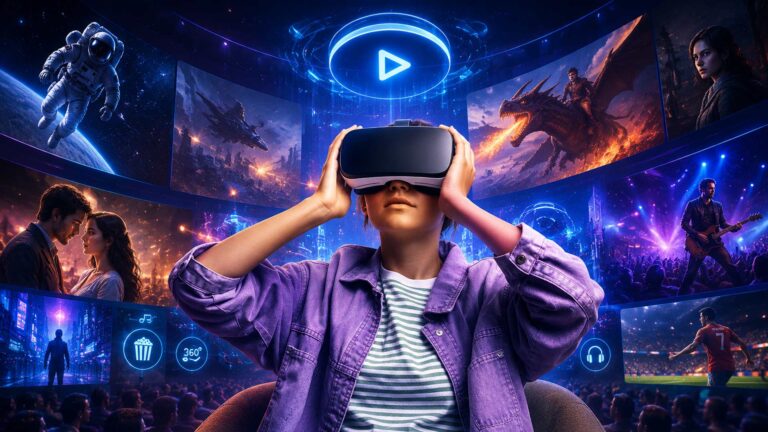
Instead of watching actors on flat displays, audiences may see life-sized digital characters projected directly into rooms.
Possible Future Uses
Holographic systems could allow:
- Virtual concerts at home
- Live sports projections
- Interactive educational shows
- Historical recreations
- AI-generated performances
Entertainment may become physically immersive rather than screen-based.
How Streaming Platforms Could Evolve
Streaming companies are already competing aggressively for audience attention.
By 2032, streaming services may evolve into fully immersive entertainment ecosystems.
Subscription-Based Virtual Worlds
Instead of selecting movies from menus, users could enter virtual entertainment hubs.
Inside these spaces, viewers may:
- Explore movie worlds
- Attend digital premieres
- Meet AI-generated characters
- Watch interactive episodes
- Join live audience experiences
This could transform streaming from passive viewing into social digital entertainment.
Challenges the Industry Could Face
Although virtual cinema sounds exciting, several challenges may slow adoption.
High Technology Costs
Advanced immersive systems could initially be expensive.
Not all consumers may afford premium virtual entertainment equipment.
Privacy Concerns
AI systems analyzing emotions and viewer behavior may raise privacy concerns.
Users may worry about:
- Data collection
- Emotional tracking
- Behavioral analysis
- AI personalization systems
Strong privacy regulations would become necessary.
Creative Limitations
Some filmmakers may fear that AI-generated storytelling reduces artistic control.
Traditional cinema often reflects the personal vision of directors and writers.
Too much audience customization could potentially weaken storytelling consistency.
Why Human Creativity Will Still Matter
Even in a highly advanced entertainment future, human creativity will remain essential.
Technology can improve immersion and personalization, but emotional storytelling still depends heavily on human imagination.
Audiences connect with:
- Authentic emotions
- Unique storytelling
- Human experiences
- Original artistic vision
AI may become a powerful creative assistant, but creators will continue shaping the emotional core of entertainment.
Could Virtual Actors Replace Real Celebrities?
One major debate involves the future of digital celebrities.
AI-generated virtual actors may become increasingly realistic.
Some entertainment studios could create:
- Fully digital movie stars
- AI influencers
- Virtual musicians
- Holographic performers
These digital personalities could work continuously without aging or scheduling limitations.
However, many audiences may still prefer real human performers because of emotional authenticity.
Future entertainment may include a combination of both.
Educational Entertainment Could Also Grow
Virtual cinema may not only transform movies.
Educational experiences could become far more immersive.
Students may eventually:
- Walk through ancient civilizations
- Explore virtual science labs
- Experience historical events interactively
- Learn languages through AI simulations
This could make learning significantly more engaging.
Entertainment and education may become more closely connected.
The Future Audience Experience
By 2032, entertainment could become deeply personalized and interactive.
Audiences may no longer remain passive viewers.
Instead, they could become active participants inside stories.
Future viewers might expect:
- Interactive narratives
- Personalized characters
- Immersive environments
- Emotional AI responses
- Social virtual experiences
The definition of cinema itself may evolve completely.
Conclusion
The future of entertainment may look very different by 2032.
Virtual cinema, AI storytelling, holographic projection, and immersive digital environments could completely reshape how audiences experience movies and media.
Although many of these technologies are still developing, the entertainment industry is already moving toward more interactive and personalized experiences.
At the same time, creativity, storytelling, and emotional connection will remain the foundation of powerful entertainment.
Technology may change how stories are delivered, but human imagination will continue driving the future of cinema.
As artificial intelligence and immersive technologies continue advancing, audiences around the world may soon experience entertainment in ways that currently exist only in science fiction.