
For website owners, bloggers, businesses, and content creators, this transformation creates both opportunities and challenges. Websites that understand the new AI-driven search ecosystem are gaining traffic faster, while outdated SEO methods are becoming less effective.
Google now focuses more heavily on content quality, user intent, helpfulness, expertise, and engagement signals. Instead of rewarding websites that simply repeat keywords, modern search algorithms prioritize useful information that genuinely helps users.
In this article, we will explore how Google Search is changing in the AI era, what it means for website traffic, and how creators can adapt their content strategies for better visibility in 2026.
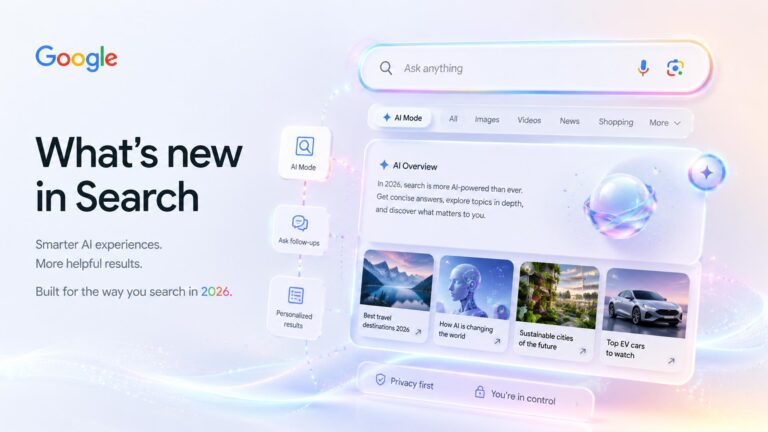
What Is AI-Powered Search?
AI-powered search refers to the use of artificial intelligence technologies that help search engines understand user intent, analyze content context, and provide more accurate answers.
Traditional search engines mainly relied on keywords and backlinks. Modern AI systems go much deeper.
They now analyze:
- Search intent
- Topic relevance
- User behavior
- Content quality
- Readability
- Expertise
- Engagement patterns
- Semantic meaning
This allows Google to understand not only what users type, but also what they actually want.
For example, when someone searches “best beginner video editing app,” Google now evaluates whether the article genuinely helps beginners rather than simply repeating the phrase multiple times.
Why Google Search Is Changing
The amount of online content has increased massively over the past few years.
Millions of articles, videos, and social media posts are published daily. Many of them are automatically generated or low quality.
Google’s goal is to filter this content and deliver the most useful results.
AI systems help Google:
- Detect spam content
- Understand context better
- Improve answer quality
- Reduce misleading information
- Personalize search experiences
This shift is designed to improve user satisfaction while reducing low-value websites in search results.
The Rise of AI Search Overviews
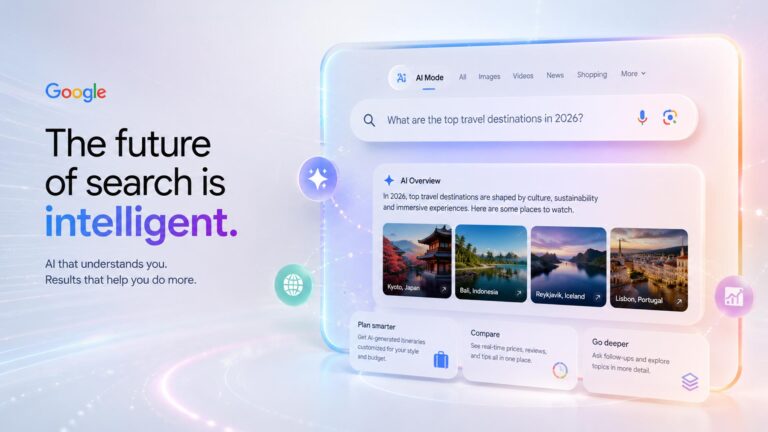
One of the biggest changes in modern search engines is AI-generated summaries.
Instead of only showing links, Google now provides AI-powered overview sections that summarize information directly inside search results.
These summaries combine information from multiple sources to answer questions instantly.
For website owners, this creates a new challenge.
Some users may get answers directly from Google without clicking websites.
However, websites that provide original insights, detailed explanations, and trusted expertise still receive strong traffic because AI systems rely on quality sources.
Why Helpful Content Matters More Than Ever
In 2026, helpful content is one of the strongest ranking factors.
Google increasingly rewards articles that:
- Solve problems clearly
- Provide accurate information
- Include real experience
- Explain concepts in simple language
- Offer practical value
Websites focused only on keyword stuffing or automated content generation are struggling to maintain rankings.
What Makes Content Helpful?
Helpful content usually includes:
- Clear structure
- Easy readability
- Real examples
- Actionable advice
- Updated information
- Strong user experience
Articles should feel written for humans first, not just search engines.
How User Experience Impacts SEO
Modern SEO is no longer only about keywords.
Google now measures how users interact with websites.
Important User Experience Signals
These signals influence rankings:
- Time spent on page
- Mobile friendliness
- Page speed
- Bounce rate
- Readability
- Navigation quality
If users quickly leave a website because of poor design or low-quality content, rankings may decrease.
This is why clean website layouts and engaging articles are becoming increasingly important.
Why Long-Tail Keywords Are Becoming Powerful
Short keywords are extremely competitive.
Instead, many successful websites are targeting long-tail keywords.
Example
Instead of targeting:
“video editing”
Creators target:
“best free video editing apps for YouTube Shorts beginners”
Long-tail keywords help because:
- Competition is lower
- Search intent is clearer
- Conversion rates are higher
- AI systems understand specific topics better
This strategy is especially useful for new websites trying to gain traffic quickly.
The Importance of Content Structure
Well-structured articles perform better in AI-powered search systems.
Google uses headings and organization to understand content.
Strong Content Structure Includes
- H1 for the main title
- H2 for major sections
- H3 for detailed subsections
- Short paragraphs
- Bullet points
- FAQ sections
Structured content improves readability for both users and search engines.
It also increases the chance of appearing in featured snippets and AI summaries.
Why Originality Is Critical in 2026
AI-generated content has become extremely common.
Because of this, originality is now a major competitive advantage.
Google increasingly values:
- Personal insights
- First-hand experience
- Unique analysis
- Original research
- Real examples
Websites that simply rewrite existing content without adding value are losing visibility.
Human Experience Still Matters
Even with advanced AI systems, authentic human perspectives remain highly valuable.
Readers trust creators who share real experiences, opinions, and practical knowledge.
How AI Tools Can Help Content Creators
AI itself is not the enemy of SEO.
In fact, AI tools can help creators improve productivity when used correctly.
Useful AI Applications
Creators use AI for:
- Topic research
- Grammar correction
- Content planning
- SEO optimization
- Headline generation
- Idea brainstorming
However, successful creators still edit and improve AI-generated drafts manually.
The goal is to combine AI efficiency with human creativity.
Why Mobile SEO Is More Important Than Desktop SEO
Most internet users now browse using smartphones.
Google prioritizes mobile-first indexing, meaning it mainly evaluates the mobile version of websites.
Mobile Optimization Tips
Websites should:
- Load quickly
- Use responsive design
- Have readable text
- Avoid excessive popups
- Use compressed images
A poor mobile experience can significantly reduce rankings and traffic.
Common SEO Mistakes Websites Still Make
Many websites continue using outdated SEO strategies.
Keyword Stuffing
Repeating keywords unnaturally no longer works.
Thin Content
Short, low-value articles struggle to rank.
Ignoring Search Intent
Articles must match what users actually want.
Poor Internal Linking
Internal links help Google understand website structure and improve user navigation.
Slow Website Speed
Performance issues negatively impact rankings.
Avoiding these mistakes can improve long-term growth.
How New Websites Can Grow Faster
New websites often face strong competition.
However, consistent publishing and smart topic selection can still generate traffic.
Best Strategies for New Websites
- Publish regularly
- Focus on specific niches
- Target long-tail keywords
- Create helpful educational content
- Update old articles
- Improve article structure
- Use internal links effectively
Consistency is extremely important.
Websites that publish valuable content regularly usually gain trust faster.
The Future of Search Engines
Search engines will continue evolving rapidly over the next few years.
Future search systems may include:
- More conversational AI answers
- Personalized search experiences
- Voice-first search optimization
- AI-generated visual search
- Real-time content understanding
Despite these changes, one principle remains consistent.
High-quality and useful content will continue to perform well.
Conclusion
Google Search in 2026 is becoming more intelligent, context-aware, and user-focused because of artificial intelligence.
Traditional SEO techniques alone are no longer enough to achieve strong rankings. Modern websites must focus on helpful content, originality, user experience, and clear structure.
Creators who understand these changes can still achieve strong website traffic growth by publishing valuable educational content consistently.
The future of SEO belongs to creators who combine smart optimization strategies with genuine usefulness and authentic human insight.
As AI continues transforming search engines, websites that prioritize readers over algorithms will build stronger long-term success.