The story of Facebook does not begin with fame, billion dollar valuations, or Silicon Valley glory. It begins quietly inside Harvard University, years before the platform reshaped global communication. Among the students walking its historic campus was Divya Narendra, an Indian origin American student with a sharp academic mind and a simple idea: students needed a trusted digital space to connect with one another. At a time when the internet was fragmented and anonymous, he envisioned a closed, identity based network limited to verified university students, something personal, safe, and real.
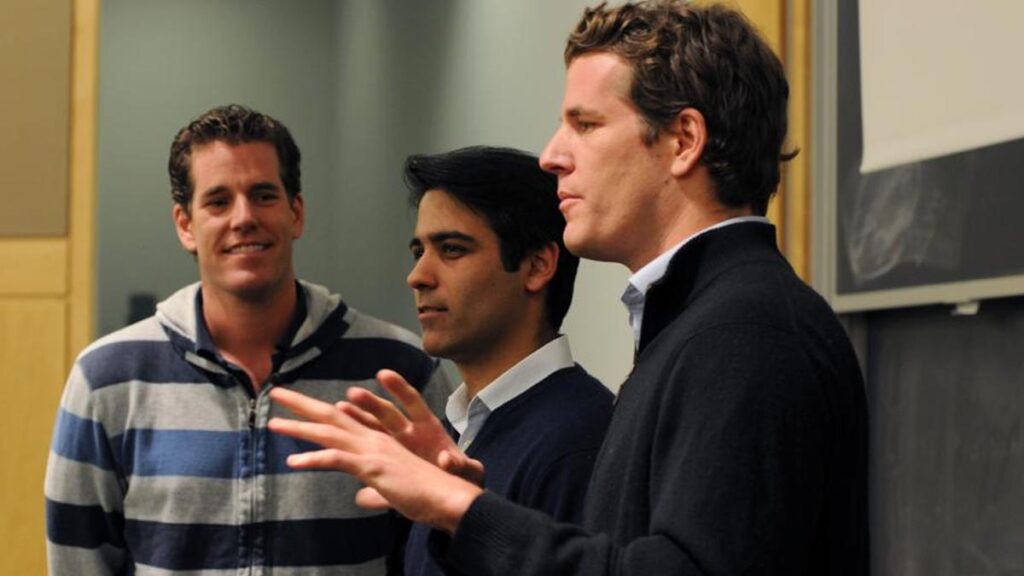
Divya shared this vision with his classmates, Cameron and Tyler Winklevoss. Together, they began shaping a platform called HarvardConnection, later renamed ConnectU. The idea was clear and documented: profiles tied to real identities, visible only within the Harvard community, allowing students to connect socially online. What they lacked was not vision or intent, but technical execution. They needed a programmer who could bring the idea to life.
That search led them to Mark Zuckerberg, a talented coder already known on campus for his programming skills. The idea, the structure, and the expectations were shared with him in detail. He agreed to help develop the project. Emails were exchanged, meetings were held, and trust was established. But as weeks passed, progress stalled. Zuckerberg repeatedly delayed delivery of the code, offering explanations that suggested the project needed more time.
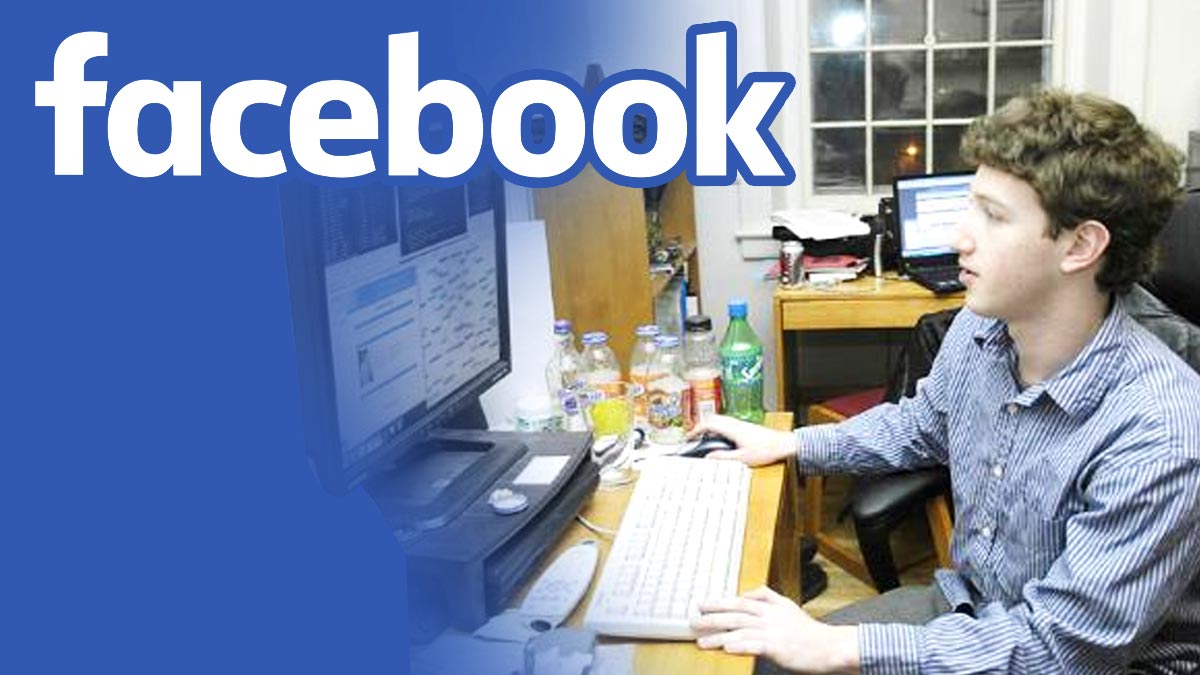
Unbeknownst to Divya and his partners, something else was happening in parallel. In early 2004, Zuckerberg launched a new website called TheFacebook. It mirrored the core concept of ConnectU almost entirely: real name profiles, Harvard only access, and student connections. The platform spread rapidly across campus. For Divya, the moment was devastating. The idea he had nurtured, discussed, and trusted someone else to build had gone live under another name, without credit or consent.
What followed was not an overnight courtroom drama, but a long and exhausting legal battle. Divya Narendra and the Winklevoss twins filed a lawsuit alleging breach of contract and misuse of their idea. While Facebook expanded beyond Harvard and exploded in popularity, the case moved slowly through the legal system. Emails, timelines, and agreements were scrutinized. Divya stood firm, not claiming sole ownership of Facebook, but insisting that what happened was ethically and contractually wrong.
In 2008, the dispute ended in a settlement. Facebook agreed to compensate the plaintiffs with a combination of cash and company shares, valued at approximately 65 million dollars at the time. There was no admission of wrongdoing, no public apology, and no rewriting of Facebook’s official founding narrative. The platform continued its rise, while Divya chose to step away from the spotlight.
Popular culture later simplified the story. The film The Social Network portrayed the conflict as ambition versus genius, winners versus losers. But reality was more complex. Divya Narendra was never declared the founder of Facebook, yet he was undeniably part of its origin story. His role represents the uncomfortable truth that some of the world’s biggest tech successes are built not only on innovation, but also on broken trust and unresolved ethical questions.
Today, Divya Narendra has moved on, building his own successful ventures and largely avoiding public attention. Facebook, now a global giant, is inseparable from Mark Zuckerberg’s name. Yet beneath the familiar narrative lies a quieter truth: the foundational idea of Facebook did not emerge in isolation. It grew out of shared conversations, shared plans, and a moment in history where credit did not follow contribution equally. History remembers the face at the front of the stage. But the full story remembers those who stood behind the curtain first.